Everyday Health – How to Take Care of Yourself in a Simple Way
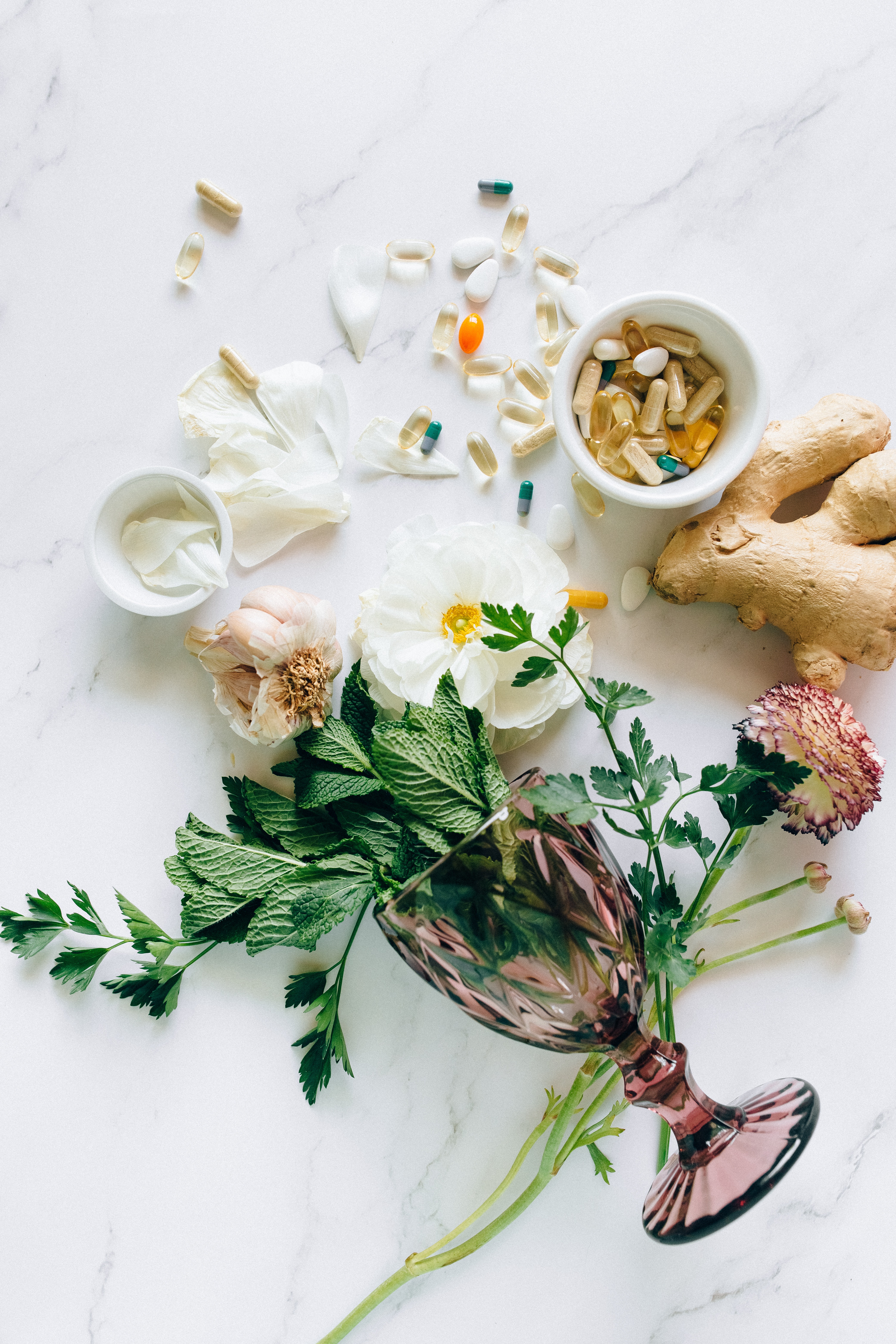
Health is one of those things we all care about… at least in theory. We want to feel good, have energy, sleep well, and not get sick every few weeks. At the same time, modern ideas of “healthy living” can feel overwhelming. Perfect diets, intense workout plans, endless supplements, morning routines that start at 5 a.m. — it’s easy to feel like if you’re not doing everything, you’re doing nothing.
The Basic Pillars of Health
The good news? Real, everyday health is much simpler than social media often makes it look. It’s not about perfection, strict rules, or turning your life upside down overnight. It’s about small, repeatable habits that support your body and mind over time. In this article, we’ll break health down into its core pillars, talk about common mistakes that quietly sabotage well-being, and explore how to build healthier habits without pressure, guilt, or burnout.
When you strip health down to its essentials, a few key areas show up again and again. You don’t need to master them all at once — but understanding them helps you see where small changes can make the biggest difference.
Healthy eating isn’t about eating “clean” all the time or never touching sugar again. It’s about giving your body regular access to nutrients it needs to function well.
A solid everyday approach to nutrition includes:
- eating mostly whole, minimally processed foods
- including vegetables, fruit, protein, and healthy fats regularly
- eating enough (under-eating is more common than people think)
- allowing flexibility and enjoyment
Food should support your life, not control it. Consistency matters far more than eating perfectly for a week and then giving up.
Movement – The Body Is Made to Move
You don’t need a gym membership or intense workouts to be healthy. The human body simply needs movement — regularly and in many forms.
Walking, stretching, cycling, dancing, strength training, playing with your kids — it all counts. Movement supports:
- cardiovascular health
- joint mobility and muscle strength
- mental health and stress regulation
- better sleep and energy levels
The best kind of movement is the one you’ll actually keep doing.
Sleep – The Most Underrated Health Tool
Sleep affects almost everything: mood, immunity, appetite, focus, and recovery. Yet it’s often the first thing sacrificed when life gets busy.
Good sleep doesn’t require a perfect routine. It starts with:
- getting enough hours most nights
- keeping sleep and wake times fairly consistent
- reducing screen time before bed when possible
You can eat well and exercise regularly, but without sleep, your body will struggle to keep up.
Mental and Emotional Balance
Health isn’t just physical. Chronic stress, emotional overload, and constant mental pressure can show up as fatigue, tension, digestive issues, or frequent illness.
Mental health support doesn’t always mean therapy (though it can be incredibly helpful). It also includes:
- setting boundaries
- taking breaks without guilt
- spending time offline
- allowing rest without “earning” it
A calm nervous system is a powerful foundation for overall health.
Common Mistakes That Negatively Affect Health
Many health problems don’t come from doing too little — they come from doing the wrong things consistently. These mistakes are common, often socially accepted, and easy to overlook.
Trying to Change Everything at Once
One of the biggest mistakes is going “all in” overnight. Extreme diets, intense workout schedules, and rigid routines may work short-term, but they rarely last.
Burnout isn’t a lack of motivation — it’s a sign the system is unsustainable.
Ignoring Recovery and Rest
Rest is not laziness. It’s a biological requirement. Skipping rest days, sleeping too little, or constantly pushing through exhaustion slowly wears the body down.
Progress happens during recovery, not just during effort.
Living in Constant Stress Mode
Many people live in a state of low-level stress all the time. Notifications, deadlines, financial worries, comparison on social media — the nervous system rarely gets a break.
Over time, chronic stress can affect digestion, immunity, hormones, and sleep.
Overcomplicating Health
Tracking every calorie, step, and heartbeat can turn health into a full-time job. While data can be helpful, too much focus on numbers often disconnects people from how they actually feel.
Your body is not a machine — it’s a system that thrives on balance.
Waiting for “Perfect Timing”
Health doesn’t require ideal conditions. Waiting for the perfect moment to start often means never starting at all. Small actions done imperfectly are far more effective than big plans that stay on paper.
How to Build Healthy Habits Without Pressure
The secret to long-term health isn’t discipline or willpower — it’s making habits feel normal, flexible, and human.
Start Smaller Than You Think You Should
Instead of:
- “I’ll work out five times a week”
try: - “I’ll take a 10-minute walk today”
Small habits lower resistance and build confidence. Once something feels easy, it naturally grows.
Attach Habits to What You Already Do
Habits stick better when they’re connected to existing routines. For example:
- stretching while watching TV
- drinking water after brushing your teeth
- walking after lunch
No extra motivation required.
Focus on Addition, Not Restriction
Instead of asking “What should I cut out?”, ask:
- What can I add that supports me?
More vegetables, more sleep, more movement, more rest. Addition feels supportive, not punishing.
Allow Imperfect Days
Healthy living isn’t ruined by a bad day, a skipped workout, or a takeaway dinner. The goal isn’t to be perfect — it’s to return to your habits without guilt.
Consistency over time beats intensity every time.
Listen to Your Body (Seriously)
Your body constantly sends signals — hunger, fatigue, tension, energy, mood. Learning to notice them is one of the most powerful health skills you can develop.
Rest when you’re tired. Eat when you’re hungry. Slow down when you’re overwhelmed.
Everyday health isn’t about chasing an ideal version of yourself or following the latest trend. It’s about building a life that supports your body and mind in realistic, sustainable ways. You don’t need extreme solutions. You need simple habits, repeated often, with kindness toward yourself when life gets messy — because it will. Health is not a finish line. It’s a relationship you build with yourself over time. And the good news? You can start improving it today — gently, imperfectly, and in a way that actually fits your life.